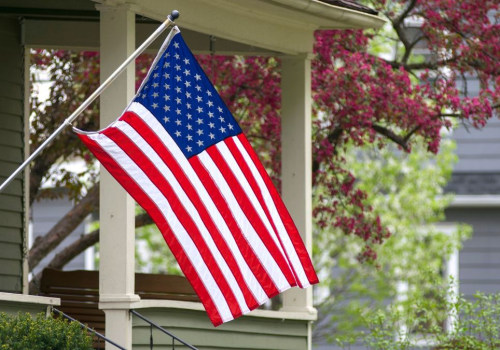
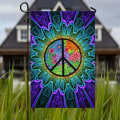
In recent years, the use of flags as home and garden décor has gained popularity, transforming ordinary spaces into vibrant expressions of personal identity and cultural heritage. Decorative flags can serve various purposes, from celebrating national pride to showcasing seasonal themes or personal interests. However, while these colorful symbols can enhance the aesthetic appeal of a home or garden, it is essential to consider the cultural significance of flags and the potential implications of their use. Flags are not merely decorative items; they often carry deep meanings and represent the values, beliefs, and histories of different communities. For instance, displaying a national flag can evoke feelings of patriotism and unity, while a flag from a specific cultural group may symbolize heritage and tradition.
As such, when incorporating flags into your décor, it is crucial to be aware of the cultural context behind each flag to avoid unintentional disrespect or appropriation. Moreover, certain flags may have religious connotations that could influence their appropriateness in specific settings. For example, using flags that represent religious groups in a secular garden might not resonate well with everyone. Understanding these nuances can help you create a welcoming environment that respects diverse perspectives while still allowing for personal expression through decorative flags. As we delve deeper into this topic, we will explore various cultural and religious considerations that should guide your choices in using flags as part of your home and garden décor.
Cultural Significance of Flags
Flags serve as powerful symbols that convey a multitude of meanings across different cultures.Understanding the cultural significance of flags is essential when considering their use in home and garden décor, as they can evoke strong emotions and represent various ideologies. In many societies, flags are not merely decorative items; they embody national pride, historical narratives, and cultural identity. For instance, the American flag symbolizes freedom and democracy, while the flags of indigenous peoples often represent their unique heritage and connection to the land. Displaying such flags in your home can foster a sense of belonging and respect for these values.
Flags in Different Cultures
Different cultures attribute distinct meanings to their flags. In Japan, the simple yet profound design of the Nisshoki (the national flag) reflects purity and honesty.Conversely, the vibrant colors of the Mexican flag represent the blood of national heroes, the purity of the Catholic faith, and the hope for a prosperous future. When incorporating flags as home and garden décor, it is crucial to understand these meanings to avoid cultural appropriation or misrepresentation.
Meaning of Flags
The meaning of flags extends beyond national identity; they can also signify social movements, religious beliefs, or even personal values. The rainbow flag, for example, has become a universal symbol for LGBTQ+ rights and acceptance. Displaying such flags can show solidarity with these movements but should be done thoughtfully to honor their significance. In conclusion, when using flags as home and garden décor, it is vital to consider their cultural implications.By doing so, you not only enhance your space aesthetically but also pay homage to the rich tapestry of meanings that flags represent across different cultures.
Religious Considerations When Using Flags
When considering flags as home and garden décor, it is essential to recognize the religious considerations that may arise. Flags often serve as powerful symbols, and their use can evoke deep emotional and spiritual responses, particularly when they are associated with specific faiths or cultural practices.Many flags incorporate sacred symbols that hold significant meaning within various religions. For instance, the flag of the Vatican City features the keys of Saint Peter, which are emblematic of the Catholic Church's authority. Displaying such a flag in a home or garden setting may be seen as a sign of respect and devotion, but it can also lead to misunderstandings if not approached thoughtfully.Here are some key points to consider when using flags with religious significance:- Respect for Symbolism: Understand the meaning behind the flag and its symbols.
Misrepresentation or casual use can be offensive to those who hold these symbols sacred.
- Cultural Sensitivity: Be aware of the cultural context in which a flag is used. Some flags may represent historical struggles or conflicts, making their display sensitive in certain communities.
- Appropriate Settings: Consider where you place these flags. A garden may be a more appropriate setting for certain flags than a living room, depending on the religious connotations.
- Community Reactions: Be prepared for varying reactions from neighbors or visitors. Some may appreciate the display, while others might find it inappropriate.
By doing so, you can ensure that your décor choices are both respectful and meaningful.
Flags as Symbols of Identity and Heritage
Flags have long served as powerful symbols of identity and heritage, representing not only nations but also communities, cultures, and personal beliefs. When incorporating flags as home and garden décor, it is essential to recognize the deep emotional connections that individuals may have with these symbols.For many, a flag is more than just a piece of fabric; it embodies a sense of belonging and pride. Displaying a flag can be a way to honor one’s heritage, celebrate cultural roots, or express personal identity. However, this practice requires a thoughtful approach to ensure that the display is respectful and appropriate.Understanding Heritage Flags
Heritage flags often represent specific ethnic groups or historical narratives.For instance, displaying a flag from one’s ancestral homeland can evoke feelings of nostalgia and connection to family history. It is crucial to consider the context in which these flags are displayed:
- Respect for Cultural Significance: Ensure that the flag is displayed in a manner that honors its significance and does not trivialize its meaning.
- Avoiding Misrepresentation: Be aware of the potential for misinterpretation or offense, especially if the flag represents a group with a complex history.
When displaying flags that represent marginalized groups or contentious histories, it is vital to engage with those communities to understand their perspectives. This approach not only enriches personal expression but also promotes respect and understanding among diverse audiences.In conclusion, while flags can serve as beautiful and meaningful elements of home and garden décor, they carry significant weight as symbols of identity and heritage. By approaching their use with care and consideration, individuals can create spaces that reflect their values while honoring the rich tapestry of cultural narratives they represent.
Common Misconceptions About Flags in Décor
When it comes to using flags as home and garden décor, there are several misconceptions that can lead to misunderstandings about proper etiquette and display rules. Many people may not realize that flags are not merely decorative items; they carry significant cultural and national meanings that should be respected.One common misconception is that any flag can be displayed in any manner.In reality, there are established flag etiquette guidelines that dictate how flags should be treated. For instance, the United States Flag Code outlines specific rules regarding the display of the American flag, including its position, lighting, and condition. Ignoring these guidelines can be seen as disrespectful.
Understanding Flag Display Rules
- Positioning: Flags should be displayed in a position of honor, typically at the highest point of a display.
- Lighting: If displayed outdoors at night, flags should be illuminated.
- Condition: Flags should be kept in good condition; tattered or faded flags should be replaced.
It’s essential to consider the cultural context when displaying a flag, especially if it represents a nation with which you do not have a personal connection.Additionally, some individuals believe that displaying multiple flags together is acceptable without regard for hierarchy. However, when displaying multiple flags, it’s important to follow proper protocol regarding which flag takes precedence. For example, when displaying the U.S. flag alongside state or local flags, the U.S.
flag should always be placed at the center or highest point.In conclusion, understanding these common misconceptions about flags as home and garden décor can help ensure that your displays are both beautiful and respectful. By adhering to established flag display rules, you can honor the significance of the flags you choose to showcase.
FAQs About Flags as Home and Garden Décor
When considering flags as home and garden décor, many people have questions about their appropriate use and cultural implications. Here are some frequently asked questions that can help clarify these concerns:What types of flags are suitable for home and garden décor?
Flags can vary widely in design and purpose. Common types include:- National flags: These represent a country and should be displayed with respect.
- State flags: Ideal for showcasing local pride.
- Decorative flags: Often feature seasonal themes or artistic designs, perfect for adding a personal touch.
- Garden flags: Smaller in size, these are specifically designed for outdoor use and can enhance garden aesthetics.
Are there any cultural sensitivities to consider?
Yes, using flags in décor can carry significant cultural weight.Here are some considerations:
- Respect for national symbols: Displaying a national flag should always be done with dignity. Avoid using it in ways that could be seen as disrespectful, such as on the ground or in a tattered condition.
- Cultural significance: Some flags may represent historical events or movements. Understanding their background is crucial to avoid unintentional offense.
Can I mix different types of flags in my décor?
While mixing flags can create an eclectic look, it’s important to maintain a sense of harmony. Consider the following:- Themes: Ensure that the flags you choose complement each other in terms of color and style.
- Cultural context: Be mindful of the messages conveyed by different flags, especially if they represent conflicting ideologies.
Conclusion: Respecting Cultural and Religious Sensitivities in Flag Use
In conclusion, the use of flags as home and garden décor is a practice that can enhance the aesthetic appeal of a space, but it is essential to approach this topic with a deep understanding of cultural and religious sensitivities.Flags often carry significant meanings and histories, representing not just nations but also communities, ideologies, and beliefs. When incorporating flags into your décor, consider the following key points:
- Research the Symbolism: Before displaying a flag, take the time to understand its background and what it represents. Some flags may symbolize pride and unity for certain groups, while others may evoke feelings of conflict or division.
- Respect Local Customs: Different cultures have unique customs regarding flag display. For instance, some cultures may have specific guidelines about how flags should be treated or displayed in public and private spaces.
- Avoid Misrepresentation: Using flags inappropriately can lead to misunderstandings or offense. Ensure that the context in which you display a flag aligns with its intended meaning.
- Consider Placement: The location where you choose to display a flag can also impact its reception.
Flags placed in prominent areas may be interpreted differently than those in more discreet locations.