Flags have long been recognized as symbols of identity, culture, and pride, but their role extends far beyond mere decoration. In the realm of home and garden décor, flags serve as versatile elements that can enhance the aesthetic appeal of any space while also fulfilling practical functions. Whether displayed on a porch, in a garden, or within a home, decorative flags can transform an ordinary setting into a vibrant expression of personal style. Beyond their decorative allure, flags can also serve practical purposes. For instance, they can act as markers for specific areas in your garden, guiding guests to different sections or highlighting pathways.
Additionally, flags can be used to signal seasonal changes or special occasions, such as holidays or family gatherings, adding a festive touch to your outdoor environment. This dual functionality makes flags an appealing choice for homeowners looking to blend beauty with utility. As we delve deeper into the world of flags as home and garden décor, we will explore various types of decorative flags and their unique uses. From garden banners that celebrate the changing seasons to flags that promote community spirit, the possibilities are endless. Join us as we uncover how these colorful pieces can enrich your living spaces while serving practical purposes that enhance your lifestyle.
The Decorative Role of Flags in Home and Garden
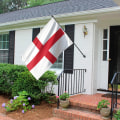
Flags have transcended their traditional roles, evolving into vibrant elements of home and garden décor.They serve not only as symbols of identity and pride but also as striking visual enhancements that can transform any space.When it comes to decorative flags, the options are virtually limitless. From seasonal themes to personalized designs, flags can reflect personal style and seasonal changes. For instance, a cheerful sunflower flag can brighten up a garden in spring, while a cozy autumn-themed flag can welcome guests during the fall months.
Popular Styles and Trends
In recent years, several trends have emerged in the realm of flags for home décor. Here are some popular styles:- Seasonal Flags: These flags change with the seasons, allowing homeowners to refresh their outdoor spaces regularly.
- Personalized Flags: Custom flags featuring family names or monograms add a unique touch to any garden or porch.
- Themed Flags: Flags that celebrate holidays, sports teams, or local events can create a festive atmosphere.
- Artistic Designs: Many flags feature intricate artwork or photography, turning them into miniature canvases that enhance the aesthetic appeal of gardens and patios.
For example, they can help define spaces within a garden or yard, guiding visitors through different areas. Furthermore, they can act as conversation starters, inviting guests to engage with the themes and stories behind each flag.Ultimately, incorporating flags into your home and garden décor not only enhances visual appeal but also allows for personal expression. Whether you choose bold colors or subtle designs, flags can play a significant role in creating an inviting atmosphere that reflects your unique style.
Flags as Functional Elements in Outdoor Spaces
While many people think of flags primarily as decorative elements in home and garden décor, they also serve a variety of functional purposes in outdoor spaces. Understanding these practical applications can enhance both the aesthetic and utility of your outdoor environment.Signaling and Communication
One of the most significant uses of flags is for signaling.In various contexts, flags can convey important messages:
- Maritime Signaling: Flags are essential in maritime settings, where they communicate information between vessels. For instance, the International Code of Signals uses specific flags to indicate distress or request assistance.
- Event Signage: During outdoor events, flags can guide attendees to specific areas, such as entrances, exits, or designated zones. This helps in managing crowds and ensuring safety.
- Sports Events: In sports, flags are often used to signal plays or fouls, making them crucial for both players and spectators.
Marking Boundaries
Flags can also serve as effective markers for defining boundaries:- Property Lines: Homeowners can use flags to visually delineate their property lines, which is especially useful during landscaping or construction projects.
- Garden Layouts: When planning a garden, flags can mark where different plants will go, helping gardeners visualize their layout before planting.
Informational Uses
In addition to signaling and marking boundaries, flags can provide valuable information:- Caution Flags: Brightly colored flags can indicate hazardous areas in gardens or yards, such as freshly painted surfaces or areas under construction.
- Seasonal Indicators: Flags can also be used to signify seasonal changes or special occasions, such as holidays or community events, adding a layer of functionality to their decorative role.
Flags in Cultural and Community Contexts
Flags serve as powerful symbols of cultural identity and community spirit, transcending their decorative role in home and garden décor.They often embody the values, history, and aspirations of a group, making them significant in various cultural contexts.
Cultural Significance of Flags
In many cultures, flags are more than just pieces of fabric; they represent a shared heritage and collective memory. For instance, national flags evoke feelings of patriotism and unity among citizens. Similarly, regional flags can foster a sense of belonging among local communities. Displaying these flags in homes or gardens can be a way to celebrate one’s roots and express pride in one’s cultural background.
Community Flags
Community flags often symbolize local pride and identity.
Many towns and cities have their own flags that reflect unique aspects of their history or geography. These flags can be prominently displayed during local events, festivals, or parades, reinforcing community bonds. By incorporating community flags into home and garden décor, residents can show their support for local initiatives and foster a sense of togetherness.
Flags for Events
Flags are also integral to various events and celebrations. From sporting events to cultural festivals, flags are used to create an atmosphere of excitement and unity.
They can be seen waving in the stands at a football game or adorning the streets during a parade. Using event-specific flags in home décor can evoke memories of these occasions and keep the spirit alive long after the event has ended.In conclusion, while flags undoubtedly enhance the aesthetic appeal of home and garden spaces, their cultural significance and role in fostering community spirit cannot be overlooked. By displaying flags that resonate with personal or communal identity, individuals can create a meaningful connection to their surroundings.
Flags as Educational Tools in Home and Garden Settings
Flags serve as more than just decorative elements in home and garden settings; they can also be powerful educational tools that foster learning about geography, history, and culture. Incorporating flags into your living space can create an engaging environment for both children and adults.Teaching with Flags
- Geography Lessons: Displaying flags from different countries can spark curiosity about world geography.
Children can learn to identify countries by their flags, enhancing their map-reading skills and understanding of global locations.
- Cultural Awareness: Each flag tells a story about its nation’s history, values, and traditions. By discussing the significance of various flags, families can promote cultural appreciation and awareness among children.
- History Education: Flags often have historical significance. For instance, learning about the evolution of a country's flag can provide insights into its political changes and historical events.
Flags for Kids
- Interactive Learning: Create a fun activity where children can match flags to their respective countries or create a flag collage. This hands-on approach makes learning enjoyable and memorable.
- Flag Craft Projects: Encourage creativity by having kids design their own flags.
This not only enhances artistic skills but also allows them to express their identity or values through symbolism.
- Games and Quizzes: Use flags in educational games or quizzes to test knowledge about different nations. This interactive method reinforces learning while keeping it entertaining.
Maintenance and Care for Flags in Home and Garden Décor
To ensure that your flags as home and garden décor remain vibrant and intact, proper maintenance and care are essential. Here are some practical tips to help you preserve your decorative flags:General Maintenance Tips
- Regular Cleaning: Dust and dirt can accumulate on flags, dulling their colors.
Gently shake or brush off any debris. For deeper cleaning, hand wash with mild soap and water, then air dry.
- Avoid Harsh Chemicals: When cleaning, steer clear of bleach or strong detergents, as these can fade colors and damage fabric.
- Inspect for Damage: Regularly check your flags for fraying edges or tears. Early detection allows for timely repairs, which can extend the life of your flag.
Caring for Garden Flags
- Weather Considerations: If you live in an area with extreme weather conditions, consider bringing your garden flags indoors during storms or high winds to prevent damage.
- Sun Exposure: Prolonged exposure to sunlight can fade colors. If possible, rotate your flags periodically to minimize sun damage.
- Use Flag Poles Properly: Ensure that your flag is securely attached to its pole to prevent it from becoming loose and tangled in the wind.
Preserving Decorative Flags
- Storage: When not in use, store flags in a cool, dry place away from direct sunlight.
Folding them neatly can help prevent creases and damage.
- Seasonal Rotation: Consider rotating your flags seasonally to reduce wear and tear on any single flag. This also keeps your décor fresh and engaging.
- Repairing Flags: For small tears or frays, use fabric glue or a needle and thread to make repairs. This can significantly prolong the life of your flag.
Frequently Asked Questions About Flags in Home and Garden Décor
When it comes to using flags as home and garden décor, many people have questions about their functionality and aesthetic appeal. Here are some frequently asked questions that can help clarify their uses:What are the practical uses of flags in home and garden décor?
Flags serve several practical purposes beyond mere decoration.They can:
- Indicate property boundaries: Flags can be used to mark the edges of your property, helping to define your space clearly.
- Signal events or celebrations: Displaying flags can announce special occasions, such as birthdays, holidays, or community events.
- Provide a sense of identity: Flags can represent personal beliefs, cultural heritage, or affiliations, allowing homeowners to express their individuality.
- Enhance visibility: Brightly colored flags can improve visibility in gardens or yards, making them a useful tool for guiding guests or marking pathways.
How do I choose the right flag for my home or garden?
Selecting the right flag involves considering several factors:- Theme and color scheme: Choose flags that complement your existing décor and enhance the overall aesthetic of your space.
- Material durability: Opt for weather-resistant materials if you plan to display flags outdoors to ensure they withstand the elements.
- Size and placement: Consider the size of your garden or home when selecting a flag. Ensure it is proportionate and placed in a visible area.
Can I use flags indoors?
Absolutely! Flags can be a unique addition to indoor spaces. They can be hung on walls, used as table runners, or incorporated into themed rooms. Indoor flags allow for creative expression while adding a touch of personality to your home.In summary, flags as home and garden décor offer both aesthetic appeal and practical uses.By understanding their functionality and how to choose the right ones, you can enhance your living space effectively.
Conclusion: The Multifaceted Role of Flags in Home and Garden Décor
In conclusion, flags serve a multifaceted role in enhancing the aesthetic appeal of home and garden spaces while also providing practical benefits. Throughout this article, we have explored how flags can be more than mere decorative items; they can also act as symbols of identity, community, and celebration.One of the most significant practical uses of flags is their ability to convey messages. Whether it’s a national flag that represents patriotism or a seasonal flag that welcomes guests, these symbols can communicate sentiments and values effectively. This aspect makes them an excellent choice for homeowners looking to express their personality or commemorate special occasions.Additionally, flags can serve functional purposes in outdoor settings.For instance, they can be used to mark boundaries or designate areas within a garden. This is particularly useful for larger properties where clear demarcation is necessary. Furthermore, flags can act as visual cues for guests, guiding them through pathways or indicating specific zones like play areas or relaxation spots.
- Seasonal Decor: Flags can easily be swapped out to reflect different seasons or holidays, allowing homeowners to keep their décor fresh and engaging.
- Wind Indicators: In gardens, flags can also serve as wind indicators, helping gardeners understand wind patterns that may affect plant growth.
- Community Engagement: Displaying flags that represent local teams or organizations fosters a sense of community and belonging among neighbors.
By incorporating flags into your home and garden design, you not only beautify your environment but also embrace the deeper meanings and connections they represent.