Flags have long been more than mere symbols of nations; they embody cultural significance and historical narratives that resonate deeply within communities. As home and garden décor, flags serve as vibrant expressions of identity, heritage, and personal values. Whether displayed on a porch, in a garden, or as part of indoor arrangements, flags can transform spaces into reflections of the owner's beliefs and affiliations. This practice not only beautifies environments but also invites conversations about the stories and meanings behind each flag. The use of flags in home and garden settings can be traced back to ancient civilizations, where banners were used to signify territory, celebrate victories, or honor deities.
Over time, these symbols evolved into representations of national pride and cultural heritage. Today, many people choose to incorporate flags into their décor to celebrate their roots or to show solidarity with particular movements or causes. This trend highlights the enduring power of flags as tools for expression and connection. As we delve deeper into the historical significance of flags in home and garden décor, we will explore how these colorful pieces of fabric have transcended their original purposes. From the American flag's role in patriotic displays to the use of regional flags that celebrate local culture, each flag tells a unique story that enriches our understanding of community and belonging.
Join us as we uncover the layers of meaning behind this captivating form of decoration.
Historical Overview of Flags
The history of flags dates back thousands of years, with their origins rooted in ancient civilizations. Initially, flags served practical purposes, such as identifying groups in battle or marking territory. The earliest known flags were used by the Egyptians around 3000 BC, where they were made from cloth and adorned with symbols representing deities or pharaohs.As societies evolved, so did the evolution of flags. In ancient Rome, flags became more standardized and were used to represent legions and military units.The use of colors and designs began to convey specific meanings, allowing for a visual language that transcended spoken words. This practice laid the groundwork for modern heraldry, where coats of arms and banners became symbols of family lineage and nobility.During the Middle Ages, flags took on a more significant role in both warfare and governance. They became essential for rallying troops and asserting dominance over territories. The introduction of national flags in the 15th century marked a pivotal moment in history, as countries began to adopt unique designs that represented their identity and values.In contemporary times, flags have transcended their original military functions to become powerful symbols of culture and community.
They are prominently displayed in homes and gardens as a form of home and garden décor, reflecting personal beliefs, heritage, or patriotism. This shift highlights how flags have evolved from mere identifiers to cherished emblems that evoke pride and connection.Understanding this historical significance enriches our appreciation for flags as decorative elements today. They serve not only as aesthetic additions but also as reminders of our shared history and cultural narratives.
Cultural Significance of Flags
Flags have long served as powerful symbols across various cultures, representing not only national identity but also deeper cultural meanings. The cultural significance of flags can be seen in their use during celebrations, protests, and ceremonies, where they embody the values and history of a community.In many cultures, flags are more than mere pieces of fabric; they are imbued with symbolism that reflects the beliefs and aspirations of a people.For instance, the colors and designs of a flag can convey messages about unity, freedom, or resistance. In the United States, the stars and stripes symbolize the union of states and the sacrifices made for independence. Similarly, in countries like India, the tricolor flag represents peace, courage, and faith.
Flags in Different Cultures
Different cultures interpret flags uniquely. In some Indigenous cultures, flags may represent tribal identity and heritage.For example, Native American flags often incorporate symbols that reflect their connection to nature and spirituality. In contrast, European nations may use flags to commemorate historical events or figures that shaped their national identity.
- National Flags: Often used to evoke patriotism and national pride.
- Religious Flags: Such as those used in Buddhist or Hindu traditions, which may symbolize spiritual beliefs.
- Community Flags: Local organizations or groups may create flags to foster a sense of belonging.
By incorporating flags into our décor, we celebrate diversity and acknowledge the rich tapestry of human experience that these symbols represent.
Flags as Symbols of Identity and Belonging
Flags serve as powerful symbols of identity and belonging, reflecting the values, history, and aspirations of individuals and communities. When people choose to display certain flags as part of their home and garden décor, they are often making a statement about who they are and what they stand for.Personal Identity Through Flags
For many, flags represent personal milestones or affiliations. Whether it’s a national flag that signifies one’s heritage or a state flag that reflects local pride, these symbols can evoke deep emotional connections. Individuals may choose to display their family crest or a flag representing a specific cause they support, such as environmental conservation or social justice.
This personal connection transforms a simple piece of fabric into a meaningful representation of one’s identity.
Community Belonging and Flags
On a broader scale, flags can foster a sense of community belonging. Neighborhoods often come together to celebrate local culture through events where flags are prominently displayed. This communal display not only beautifies the environment but also strengthens ties among residents. For instance, during national holidays or local festivals, flags can be seen adorning homes and gardens, creating a vibrant tapestry of shared identity.
- National Pride: Displaying a national flag can evoke feelings of patriotism and unity.
- Cultural Heritage: Ethnic flags allow individuals to celebrate their roots and educate others about their culture.
- Support for Causes: Flags representing social movements can signify solidarity and encourage dialogue within the community.
By choosing to display specific flags, individuals not only enhance their living spaces but also communicate their values and connections to the world around them.
Flags in Home Décor: Trends and Styles
In recent years, the use of flags as home and garden décor has gained significant traction, reflecting a blend of personal expression and cultural appreciation. Homeowners are increasingly incorporating flags into their interior design, not just as symbols of patriotism but as vibrant elements that enhance the aesthetic appeal of their spaces.Current Trends in Flag Décor
One of the most notable trends is the use of vintage or distressed flags, which add a rustic charm to any room. These flags often feature faded colors and worn textures, making them perfect for creating a cozy, lived-in atmosphere. Additionally, minimalist designs are becoming popular, where simple flag motifs are used in modern décor settings, allowing for a clean and sophisticated look.Popular Flag Design Styles
- Bohemian Style: Flags with intricate patterns and vibrant colors can be used as wall hangings or table runners, adding a touch of global flair.
- Industrial Style: Metal flags or those made from reclaimed materials fit perfectly in loft-style homes, emphasizing raw and edgy aesthetics.
- Coastal Style: Nautical flags are often used in beach houses to evoke a sense of maritime adventure and relaxation.
Garden flags featuring seasonal designs or local symbols can enhance outdoor spaces, creating inviting atmospheres for gatherings. These flags not only serve as decorative elements but also express the homeowner's personality and values.When using flags in interior design, it’s essential to consider placement and scale. Large flags can serve as statement pieces above mantels or sofas, while smaller flags can be incorporated into gallery walls or used as accents on shelves. This versatility allows homeowners to customize their spaces while celebrating their heritage or interests.In conclusion, the trend of using flags as home and garden décor reflects a broader movement towards personalization in design.
By thoughtfully selecting flag styles that resonate with individual tastes, homeowners can create unique environments that tell their stories.
Flags in Garden Décor: A Growing Trend
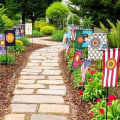
In recent years, the use of flags as home and garden décor has gained significant traction among gardening enthusiasts and homeowners alike. This trend reflects a growing appreciation for outdoor aesthetics and the desire to personalize garden spaces. Flags can serve as vibrant focal points, adding color and character to otherwise mundane landscapes.One of the most appealing aspects of incorporating flags into garden design is their versatility. They can be used in various ways, from outdoor flag displays to subtle accents that complement existing plants and structures.For instance, a row of small garden flags can create a whimsical pathway, guiding visitors through flower beds or vegetable patches. Larger flags can be mounted on poles or hung from fences, making bold statements that reflect personal style or seasonal themes.
- Seasonal Celebrations: Many gardeners use flags to celebrate holidays or seasonal changes. For example, vibrant flags featuring autumn leaves or winter scenes can enhance the festive spirit during those times of the year.
- Cultural Expressions: Flags can also represent cultural heritage or personal beliefs, allowing homeowners to showcase their identity through their garden décor.
- Nature Themes: Flags adorned with floral patterns or wildlife imagery can harmonize beautifully with natural surroundings, creating a cohesive look that enhances the overall garden design.
This movement can evoke feelings of tranquility and joy, making outdoor spaces more inviting.As this trend continues to grow, many gardeners are exploring innovative ways to incorporate flags into their designs. Whether through DIY projects or curated collections, the use of flags as decorative elements in gardens is proving to be a delightful way to express creativity and enhance outdoor living spaces.
DIY Ideas for Incorporating Flags into Home and Garden Décor
Incorporating flags as home and garden décor can add a unique touch to your living space while showcasing your personal style. Here are some creative DIY ideas to inspire you:1.Flag Banners
Create a festive atmosphere by making a flag banner. Cut fabric or paper flags in various sizes and colors, then string them together using twine or ribbon.Hang these banners in your living room, on your porch, or even in your garden for a cheerful display.
2.Flag Pillows
Transform old flags or fabric with flag designs into decorative pillows. Simply sew or use fabric glue to attach flag motifs onto plain pillow covers. This not only adds a pop of color but also serves as a conversation starter.3.Garden Flag Poles
Install small flag poles in your garden to display miniature flags. This is an excellent way to celebrate holidays or special events.You can even create seasonal flags that reflect the changing times of the year.
4.Framed Flag Art
For a more sophisticated look, frame pieces of fabric flags or prints of flags and hang them on your walls. This can create a gallery wall effect that highlights your love for different cultures and histories.5.Flag Table Runner
Use fabric flags to create a table runner for outdoor dining. This adds a festive flair to barbecues and gatherings, making your table setting more inviting.6.DIY Flag Wreaths
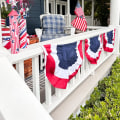
Craft a wreath using small flags attached to a foam or wire base. This can be hung on your front door to welcome guests with a patriotic or seasonal theme.These DIY projects not only enhance your home and garden but also allow you to express creativity while celebrating the significance of flags as home and garden décor.Whether you choose to go bold with large displays or subtle with small accents, the possibilities are endless!
FAQs About Flags as Home and Garden Décor
Using flags as home and garden décor can raise several questions, especially regarding their significance and proper display. Here are some frequently asked questions that can help clarify common concerns.What are some common questions about flag décor?
- Can I use any flag as decoration? Yes, you can use various types of flags, including national, state, or decorative flags. However, it's essential to consider the context and meaning behind each flag.
- Are there specific guidelines for displaying flags? Yes, many countries have guidelines for flag display etiquette. For instance, the U.S.
Flag Code provides rules on how to display the American flag respectfully.
- How can I incorporate flags into my garden design? Flags can be used as focal points in garden beds, hung from poles, or even used as part of a themed garden. Consider the colors and designs that complement your existing landscape.
What is flag display etiquette?
- Positioning: When displaying multiple flags, the national flag should always be at the center or highest point.
- Condition: Ensure that flags are in good condition; tattered or faded flags should be replaced or properly disposed of.
- Time of display: Flags should be displayed from sunrise to sunset. If displayed at night, they should be illuminated.
How do I care for my flag decorations?
- Cleaning: Regularly clean fabric flags according to the manufacturer's instructions. Most can be machine washed on a gentle cycle.
- Storage: Store flags in a cool, dry place to prevent mildew and fading.
Consider using a protective bag or container.
- Repairs: Small tears can often be mended with fabric glue or sewing. For significant damage, consider replacing the flag.
Conclusion: The Lasting Impact of Flags in Our Spaces
In conclusion, the use of flags as home and garden décor transcends mere aesthetics; it embodies a rich tapestry of cultural and historical significance. Throughout history, flags have served as symbols of identity, unity, and pride, making them powerful elements in our personal spaces. As we explored, flags can represent not only national pride but also local heritage and personal beliefs. They evoke a sense of belonging and community, allowing individuals to express their values and connections to their roots.Whether it’s a vibrant garden flag that celebrates a local festival or a national flag displayed prominently on a porch, these items serve as reminders of our shared histories and aspirations. Moreover, the versatility of flags in design allows them to fit seamlessly into various home and garden styles. From rustic to modern, flags can enhance the visual appeal of any space while telling a story. This adaptability makes them an enduring choice for décor enthusiasts looking to add character to their environments. Ultimately, incorporating flags as home and garden décor is more than just a decorative choice; it is an opportunity to honor traditions, celebrate diversity, and create a welcoming atmosphere. As we continue to embrace the significance of flags in our lives, we contribute to a broader narrative that values history, culture, and community.