Flags have long been more than mere symbols of nations; they serve as vibrant expressions of identity, culture, and pride. In recent years, the use of flags as home and garden décor has gained popularity, transforming ordinary spaces into personalized sanctuaries that reflect individual tastes and cultural backgrounds. From the colorful banners of tropical islands to the minimalist designs of Scandinavian countries, flags can add a unique flair to any environment. The cultural significance of flags varies widely across different regions, influencing how they are displayed and utilized in home and garden settings. In some cultures, flags are used to celebrate national holidays or significant events, while in others, they may represent family heritage or local pride.
This diversity not only enriches the aesthetic appeal of a space but also invites conversations about the stories and traditions behind each flag. Incorporating flags into home and garden décor can take many forms, from wall hangings and garden stakes to decorative pillows and outdoor banners. These items not only serve as eye-catching focal points but also create a sense of belonging and connection to one’s roots. As we delve deeper into this topic, we will explore various styles and uses of flags in different countries, highlighting how these colorful emblems can enhance our living spaces while celebrating cultural diversity.
Cultural Significance of Flags in Home Décor
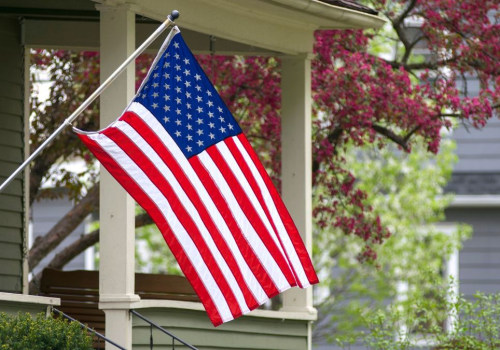
The cultural significance of flags in home décor varies widely across different nations, reflecting the unique histories, values, and identities of each culture. Flags are not merely pieces of fabric; they embody the spirit of a nation and evoke a sense of pride among its citizens.When used as home and garden décor, flags serve as powerful symbols that can transform a space into a personal statement of heritage and belonging.In many cultures, displaying a national flag at home is a way to honor one’s roots and express patriotism. For instance, in the United States, it is common to see the American flag prominently displayed during national holidays such as Independence Day. This practice not only celebrates the nation’s history but also fosters a sense of community among those who share similar values.Similarly, in countries like Mexico, the vibrant colors and symbols of the national flag are often incorporated into home décor, especially during cultural festivities. The flag's imagery resonates deeply with the people, representing their struggles and triumphs throughout history.
- Symbolism: Flags often carry deep meanings that go beyond their visual appeal.
For example, the colors and patterns can symbolize various aspects of a nation’s identity, such as freedom, unity, or resilience.
- Emotional Connections: Many individuals have personal stories tied to their national flags, making them significant in ways that transcend mere decoration.
- Historical Context: The use of flags in home décor can also reflect historical events or movements that shaped a nation’s identity.
Flags as Garden Décor: A Global Perspective
Flags as garden décor serve not only as a means of personal expression but also as a reflection of cultural identity. Across the globe, different countries have embraced the use of flags in their gardens, each adding a unique twist that resonates with local traditions and aesthetics.United States
: In the U.S., decorative flags are a staple in many gardens, especially during national holidays like Independence Day.
Homeowners often display American flags alongside seasonal or themed flags that celebrate various occasions, such as Halloween or Thanksgiving. These flags are typically made from durable materials to withstand outdoor conditions, and they add a vibrant touch to the landscape.
Italy
: Italian gardens often reflect the country’s rich history and artistic heritage. Here, flags may be used in a more subtle manner, often incorporated into landscape design through flagstone paths or as part of decorative elements like trellises. The use of small flags representing local regions can also be seen, celebrating Italy's diverse cultural tapestry.
Japan
: In Japan, the concept of flags as garden décor is intertwined with the philosophy of nature and simplicity.
Traditional Japanese gardens may feature small banners or flags that symbolize seasonal changes or specific festivals. These flags are often minimalist in design, reflecting the Japanese aesthetic of understated beauty.
Mexico
: Mexican gardens frequently showcase colorful papel picado (perforated paper) banners that resemble flags. These vibrant decorations are used during celebrations and festivals, adding a festive atmosphere to outdoor spaces. The use of these decorative elements highlights the importance of community and festivity in Mexican culture.
Conclusion
: The incorporation of flags into garden designs varies significantly across cultures, each bringing its own flair and meaning.
Whether through vibrant displays or subtle nods to tradition, flags as home and garden décor offer a fascinating glimpse into how different societies celebrate their heritage and values through outdoor spaces.
Regional Variations in Flag Usage for Décor
Flags as home and garden décor vary significantly across different regions, reflecting cultural values, historical significance, and aesthetic preferences. Each country has its unique approach to incorporating flags into their living spaces, creating a rich tapestry of styles.United States:
In the U.S., the American flag is a popular choice for home and garden décor, especially during national holidays like Independence Day. Many homeowners display flag-themed garden banners or use the flag in creative ways, such as in porch decorations or as part of outdoor furniture designs. The trend of using flags in seasonal décor is also prevalent, with variations that celebrate local sports teams or state pride.
United Kingdom:
The Union Jack is often used in British home décor, symbolizing national identity.
It can be found on everything from cushions to wall art. In gardens, it’s common to see flag bunting strung between trees or along fences during celebrations like the Queen's Jubilee or local festivals, adding a festive touch to outdoor spaces.
Brazil:
In Brazil, the national flag's vibrant colors inspire a lively approach to décor. Homeowners often incorporate the flag's green and yellow hues into their gardens through planters and outdoor furniture. Additionally, during events like Carnival, flags are used extensively in decorations, showcasing a sense of community and celebration.
Japan:
Japanese homes often reflect minimalism and nature.
While the national flag is less commonly used in everyday décor, small flag motifs can be found in traditional gardens, symbolizing peace and harmony. The use of flags during festivals like Tanabata showcases their cultural significance while maintaining an elegant aesthetic.
Africa:
Various African nations have distinct styles of using flags in home and garden décor. For instance, in South Africa, the national flag's vibrant colors are celebrated through decorative items like wall hangings and garden sculptures. These elements not only beautify spaces but also serve as reminders of cultural heritage and unity.Overall, the use of flags as home and garden décor is a fascinating reflection of regional identities and traditions.
By embracing these diverse styles, homeowners can create unique environments that celebrate their cultural backgrounds while enhancing their living spaces.
DIY Ideas for Incorporating Flags into Your Home and Garden
Incorporating flags as home and garden décor can add a unique touch to your living space, reflecting your personality and interests. Here are some creative DIY ideas to inspire you:1.Flag Wall Art
Create a stunning focal point in your home by designing a flag-themed wall art piece. You can use wooden pallets or canvas to paint or attach fabric flags. Consider using flags from different countries or states to create a vibrant collage that tells a story.2.Flag Bunting
Make your garden or patio festive with flag bunting.Cut out small flags from colorful fabric or paper and string them together with twine. Hang them across fences, porches, or garden entrances for a cheerful atmosphere during gatherings.
3.Planter Flags
Add a personal touch to your potted plants by inserting small flags into the soil. You can create mini flags using toothpicks and paper, labeling each plant with its name or origin. This not only enhances the visual appeal but also serves as an educational tool for guests.4.Flag Pillows
If you enjoy sewing, consider making decorative pillows featuring flag designs.Use fabric that represents your favorite country or state, and place these pillows on outdoor furniture or inside your home for a cozy yet stylish look.
5.Flag-Themed Garden Stakes
Transform ordinary garden stakes into eye-catching flag displays. Paint wooden stakes in various colors and attach small flags at the top. These can be used to mark flower beds, vegetable patches, or even pathways, adding a playful element to your garden.By incorporating these DIY projects into your home and garden, you can celebrate your love for flags while creating inviting spaces that reflect your style.FAQs About Flags as Home and Garden Décor
When it comes to flags as home and garden décor, many people have questions about their usage, cultural significance, and best practices. Here are some frequently asked questions that can help clarify these topics:What are the most common ways to use flags in home décor?
- Wall Art: Flags can be framed or hung directly on walls to create a striking focal point.
- Pillows and Fabrics: Many home décor items, such as throw pillows or curtains, feature flag designs.
- Outdoor Displays: Flags can be used in gardens or yards, often displayed on flagpoles or as part of landscaping.
Are there any cultural considerations when using flags as décor?
Yes, using flags in home and garden décor can carry significant cultural meanings.It’s essential to be respectful of the flag's symbolism and the country it represents. For instance:
- National Pride: Displaying a national flag can signify patriotism, but it should be done with respect for the country’s customs.
- Historical Context: Some flags may represent historical events or movements; understanding this context is crucial.
Can I use flags from different countries together?
While it is possible to display flags from different countries together, it’s important to consider the context. Mixing flags can symbolize unity or diversity, but ensure that:- You respect the significance of each flag.
- The arrangement does not imply superiority of one flag over another.
What are some tips for maintaining flags used in outdoor décor?
- Material Matters: Choose durable materials that can withstand weather conditions.
- Regular Cleaning: Keep flags clean to maintain their appearance; follow care instructions specific to the material.
- Proper Storage: When not in use, store flags properly to prevent damage.
Conclusion: The Beauty of Flags in Home and Garden Décor
In conclusion, the use of flags as home and garden décor is a vibrant expression of cultural identity and personal style. Throughout this article, we explored various styles of flag décor from around the world, highlighting how different countries incorporate their national symbols into their living spaces.Summary of Flag Décor Styles- United States: The American flag is often displayed prominently in gardens and on porches, symbolizing patriotism and community pride.
- United Kingdom: The Union Jack is frequently used in home décor, from cushions to wall art, reflecting a sense of tradition and heritage.
- Japan: Japanese flags are often minimalist in design, emphasizing simplicity and elegance in garden settings.
- Brazil: The vibrant colors of the Brazilian flag inspire lively decorations that celebrate the country's festive spirit.
They serve not only as symbols of national pride but also as reminders of shared history and values. By incorporating flags into home and garden décor, individuals can create a space that resonates with their cultural background or personal beliefs.Final Thoughts on Flag Usage As we have seen, the styles and meanings behind using flags as décor vary significantly across different cultures. Whether it’s a small flag hanging in a window or a large banner adorning a garden, each piece tells a story. Embracing these diverse styles allows for a richer understanding of global cultures while adding unique flair to our homes.
Ultimately, flags as home and garden décor are more than just decorative items; they are powerful symbols that connect us to our roots and to one another.