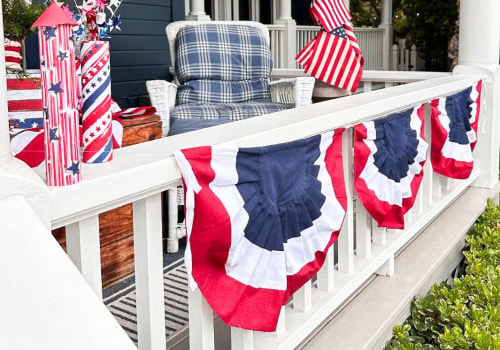
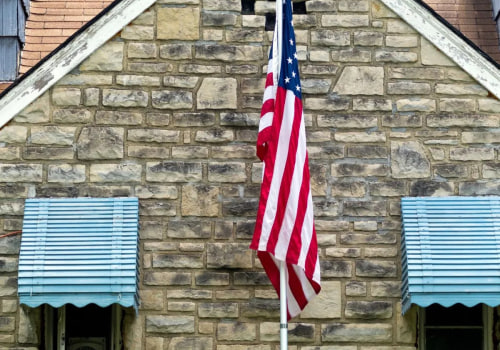
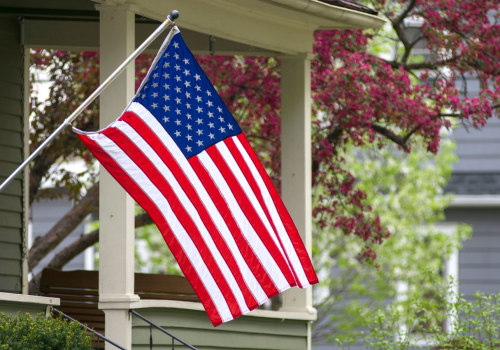
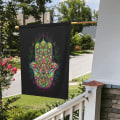
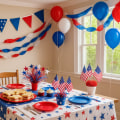
Flags have long been a symbol of identity and expression, but their role has evolved beyond mere representation. Today, flags as home and garden décor have become a popular choice for those looking to add a touch of personality and charm to their outdoor spaces. Whether it’s a vibrant garden flag fluttering in the breeze or a decorative banner adorning your porch, these elements can transform an ordinary setting into a lively and inviting atmosphere. Incorporating decorative flags into your home and garden not only enhances visual appeal but also allows for seasonal and thematic expression. From festive holiday designs to serene nature motifs, the variety of flags available means that there is something to suit every taste and occasion.
These flags serve as focal points that draw the eye, creating a sense of warmth and welcome for guests and passersby alike. As we delve deeper into the world of outdoor flags, it’s essential to understand the materials used in their construction. The choice of material not only affects the flag's durability and appearance but also its ability to withstand various weather conditions. By exploring the different types of materials commonly used in flag-making, we can better appreciate how these decorative elements contribute to the overall aesthetic of our homes and gardens.
Common Materials Used for Flags
When it comes to flags as home and garden décor, the choice of materials plays a crucial role in both aesthetics and durability. Various fabrics are used to create flags, each offering unique characteristics that cater to different preferences and environmental conditions.- Polyester: This is one of the most popular materials for flags due to its durability and resistance to fading.
Polyester flags can withstand harsh weather conditions, making them ideal for outdoor use. They are also lightweight, which allows them to flutter beautifully in the wind.
- Nylon: Known for its vibrant colors and lightweight nature, nylon is another common fabric used for flags. It dries quickly and is resistant to mildew, making it suitable for humid environments. Nylon flags often have a soft texture that enhances their visual appeal.
- Cotton: While less durable than synthetic options, cotton flags offer a classic look that many homeowners appreciate.
They are often used for decorative purposes rather than functional ones, as they may fade or wear out more quickly when exposed to the elements.
- Canvas: For those seeking a more robust option, canvas flags provide excellent durability. They are thicker than other fabrics and can withstand heavy winds, making them suitable for areas with strong gusts. However, they may require more maintenance to keep them looking fresh.
- Vinyl: Often used for custom designs or promotional flags, vinyl is waterproof and highly durable. It’s an excellent choice for temporary displays or events but may not be as visually appealing for long-term home décor.
Each material has its own set of advantages and disadvantages, so understanding these can help you choose the perfect flag to enhance your home and garden décor.
Fabric Options for Flags
When it comes to flags as home and garden décor, the choice of fabric plays a crucial role in both aesthetics and durability. Here are some of the most common fabric options:- Polyester Flags: Polyester is one of the most popular materials for outdoor flags due to its excellent weather resistance. It is lightweight yet durable, making it ideal for various weather conditions. Polyester flags are known for their vibrant colors and ability to retain their appearance over time, even when exposed to sunlight and rain.
- Cotton Flags: Cotton offers a classic look that many homeowners appreciate.
While cotton flags can provide a beautiful, traditional aesthetic, they are less durable than polyester. They tend to fade more quickly in sunlight and may not withstand harsh weather conditions as well. However, cotton flags are often favored for indoor use or in sheltered outdoor areas.
- Nylon Flags: Nylon is another excellent option for outdoor flags. It is lightweight and dries quickly, making it resistant to mildew and mold.
Nylon flags are known for their ability to fly well in light winds, which can enhance their visual appeal in garden settings. Additionally, they come in a variety of colors and designs, allowing for customization.
Durability and Weather Resistance of Flag Materials
When selecting flags as home and garden décor, understanding the durability and weather resistance of the materials used is crucial.Flags are often exposed to various environmental conditions, including rain, wind, and sunlight, which can significantly affect their lifespan.
Common Durable Flag Materials
- Polyester: This is one of the most popular materials for outdoor flags due to its strength and resistance to fading. High-quality polyester flags can withstand harsh weather conditions while maintaining vibrant colors.
- Nylon: Known for its lightweight and quick-drying properties, nylon flags are also highly durable. They tend to flutter beautifully in the wind, making them a favorite for outdoor displays.
- Canvas: While heavier than polyester or nylon, canvas flags offer excellent durability. They are often used for decorative purposes and can withstand moderate weather conditions.
Weather-Resistant Features
In addition to material choice, look for flags that incorporate weather-resistant features:- UV Protection: Flags treated with UV-resistant coatings help prevent fading from sun exposure, ensuring that colors remain vibrant over time.
- Water Resistance: Some flags come with water-repellent finishes that help them dry quickly after rain, reducing the risk of mildew and damage.
- Reinforced Edges: Flags with double-stitched or reinforced edges are less likely to fray or tear in windy conditions, enhancing their overall durability.
By investing in durable and weather-resistant flags, you can enjoy your home and garden décor without frequent replacements.
Eco-Friendly Flag Materials
As more consumers seek to reduce their environmental impact, eco-friendly flags have gained popularity in home and garden décor. These flags are crafted from sustainable materials that not only enhance your outdoor space but also align with eco-conscious values.Here are some of the most common sustainable flag materials that you can consider:- Organic Cotton: Grown without synthetic pesticides or fertilizers, organic cotton is a biodegradable option that offers durability and softness. It’s perfect for flags that will be displayed in gardens or patios.
- Bamboo Fabric: Bamboo is a rapidly renewable resource that requires minimal water and no pesticides. Flags made from bamboo fabric are lightweight, strong, and naturally resistant to mold and mildew.
- Recycled Polyester: Made from post-consumer plastic bottles, recycled polyester helps reduce waste while providing a sturdy material for flags.
This option is particularly appealing for those looking to repurpose materials in their décor.
- Hemp: Known for its strength and durability, hemp is a sustainable crop that grows quickly and requires little water. Hemp flags are not only eco-friendly but also add a rustic charm to any garden setting.
- Natural Dyes: When selecting flags, consider those dyed with natural pigments derived from plants or minerals. These dyes are less harmful to the environment compared to synthetic alternatives.
By choosing biodegradable flags, you can enjoy beautiful décor while contributing to a healthier planet.In conclusion, opting for eco-friendly flag materials not only enhances your home and garden décor but also supports sustainable practices. By making informed choices, you can create an inviting outdoor space that reflects your commitment to the environment.
Design Considerations for Flag Materials
When selecting materials for flags as home and garden décor, several design considerations come into play, particularly colorfastness and print quality. These factors not only influence the aesthetic appeal of the flags but also their longevity and performance in various weather conditions.Colorfastness in Flags
Colorfastness refers to a material's ability to retain its color when exposed to sunlight, moisture, and other environmental elements. For outdoor flags, this is a critical consideration.Fabrics like polyester are often chosen for their superior colorfastness, ensuring that vibrant designs remain intact over time. In contrast, natural fibers such as cotton may fade more quickly when subjected to direct sunlight.
Print Quality on Flag Materials
The print quality of a flag is determined by the material used and the printing technique applied. High-quality synthetic fabrics allow for detailed designs and sharp colors, making them ideal for intricate patterns or images. Techniques such as dye-sublimation printing are commonly used on polyester flags, resulting in vivid colors that penetrate the fabric, enhancing durability and resistance to fading.- Durability: Choose materials that withstand outdoor conditions.
- Design Complexity: Consider how intricate your design is when selecting fabric.
- Maintenance: Some materials require more care than others; opt for easy-to-clean options if needed.
By prioritizing colorfastness and print quality, homeowners can ensure their flags not only look great but also stand the test of time in their gardens or outdoor spaces.
FAQs About Flag Materials for Home and Garden Décor
When it comes to flags as home and garden décor, understanding the materials used can significantly enhance your selection and maintenance. Here are some frequently asked questions regarding flag materials:What materials are commonly used for flags?
Flags are typically made from a variety of materials, each offering unique benefits:- Polyester: Known for its durability and resistance to fading, polyester is a popular choice for outdoor flags.
- Nylon: Lightweight and quick-drying, nylon flags are ideal for areas with high winds.
- Cotton: While less durable than synthetic options, cotton flags provide a classic look and are often used for decorative purposes.
- Canvas: Heavier and more robust, canvas flags are suitable for long-term outdoor use but may require more maintenance.
How do I care for my flags?
Proper care can extend the life of your flags. Here are some tips:- Regular Cleaning: Wash your flags periodically to remove dirt and debris. For polyester and nylon, a gentle cycle in cold water is recommended.
- Avoid Harsh Chemicals: Use mild detergents to prevent damage to the fabric.
- Storage: Store flags in a cool, dry place when not in use to prevent mildew and fading.
How can I maintain the colors of my flags?
To keep your flag vibrant:- Avoid prolonged exposure to direct sunlight, which can cause fading.
- If possible, rotate your flags regularly to ensure even wear.
Conclusion: Choosing the Right Flag Material for Your Décor Needs
In conclusion, selecting the right materials for flags as home and garden décor is essential to ensure durability, aesthetic appeal, and functionality.Each material offers unique benefits that cater to different environments and personal styles. For instance, polyester flags are a popular choice due to their resilience against fading and tearing, making them ideal for outdoor use. They maintain vibrant colors even in harsh weather conditions, ensuring your garden or home remains visually appealing year-round.Nylon , on the other hand, is lightweight and dries quickly, which is perfect for areas with high humidity or frequent rain. Its ability to flutter in the breeze adds a dynamic element to your décor. When considering cotton , while it offers a classic and traditional look, it may not withstand the elements as well as synthetic materials. However, cotton flags can add a charming touch to indoor spaces or sheltered outdoor areas. Additionally, canvas flags provide a sturdy option that can withstand various weather conditions while offering a rustic aesthetic.
They are often used for larger displays and can be customized with unique designs. Ultimately, the choice of material should align with your specific needs—whether you prioritize durability, aesthetics, or ease of maintenance. By understanding the characteristics of each material, you can make an informed decision that enhances your home and garden décor while reflecting your personal style. In summary, investing time in selecting the right flag material will not only elevate your space but also ensure that your décor remains beautiful and functional for years to come.