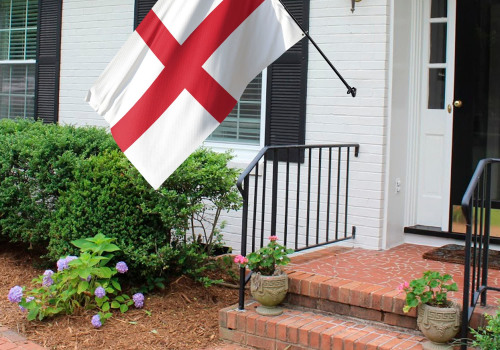
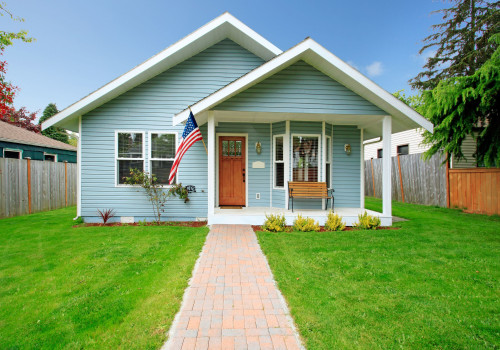
Flags have long served as powerful symbols, representing not only nations but also communities, beliefs, and personal identities. When incorporated into home and garden décor, flags can evoke a sense of pride and belonging, transforming ordinary spaces into vibrant reflections of one’s values and heritage. Whether it’s a national flag displayed in the living room or a decorative garden flag that celebrates seasonal changes, these elements can significantly enhance the aesthetic appeal of a home. The use of flags as home décor allows individuals to express their cultural backgrounds and personal stories. For instance, a family may choose to display their ancestral flag as a tribute to their roots, while others might opt for flags that represent their favorite sports teams or local communities.
This practice not only beautifies the space but also fosters a deeper emotional connection to one’s surroundings. In gardens, flags serve a dual purpose: they add visual interest while also conveying messages of celebration or remembrance. Seasonal flags can mark holidays or special occasions, creating an inviting atmosphere for guests and passersby alike. The cultural significance of these flags varies widely, with each design telling its own story and resonating differently with viewers. Understanding this significance is crucial for anyone looking to incorporate flags into their décor thoughtfully.
General Guidelines for Displaying Flags
When it comes to displaying flags as home and garden décor, adhering to certain guidelines and etiquette is essential to show respect for the symbol the flag represents.Here are some general rules to consider:
- Positioning: Flags should be displayed in a prominent location, ideally at the highest point of your property. If you are using multiple flags, ensure that the national flag is always at the center or the highest point.
- Condition: Always display flags that are in good condition. A frayed or faded flag can be seen as disrespectful. Regularly inspect your flags and replace them if they show signs of wear.
- Time of Display: Flags should be displayed from sunrise to sunset.
If you wish to display a flag at night, it should be illuminated properly.
- Weather Considerations: Avoid displaying flags during inclement weather unless they are specifically designed for such conditions. Rain, snow, and strong winds can damage flags.
- Respectful Removal: When it’s time to take down a flag, do so respectfully. If a flag is no longer fit for display, it should be disposed of in a dignified manner, typically through burning.
Using smaller flags as accents or in themed displays can enhance your outdoor space while still honoring the flag's significance.By following these basic dos and don'ts of flag etiquette, you can ensure that your use of flags as home and garden décor is both tasteful and respectful.
Choosing the Right Flag for Your Space
When it comes to choosing flags for décor, the options are vast and varied, making it essential to consider several factors to ensure that your selection enhances your home and garden aesthetics. Here are some key points to guide you in selecting the perfect flag:- Style: The style of the flag should align with the overall theme of your space. For a rustic garden, consider flags with natural motifs or vintage designs. Conversely, modern homes may benefit from sleek, minimalist flags that feature bold colors or geometric patterns.
- Size: The size of the flag is crucial for visual balance.
A large flag can serve as a stunning focal point in a spacious garden, while smaller flags work well in intimate settings or as part of a grouping. Measure your space to determine the appropriate dimensions.
- Material: Flags come in various materials, including fabric, nylon, and polyester. Choose a durable material that can withstand outdoor elements if you plan to display your flag in the garden. For indoor use, softer fabrics can add warmth and texture.
- Theme: Consider the theme of your home and garden when selecting a flag.
Seasonal flags featuring autumn leaves or spring flowers can add a festive touch throughout the year. Additionally, flags representing personal interests, such as sports teams or travel destinations, can reflect your personality.
Creative Ways to Incorporate Flags into Home Décor
Incorporating flags as home and garden décor can add a unique touch to your living space, reflecting your personality and interests. Here are some creative ideas to inspire you:- Wall Art: Transform a simple flag into a stunning piece of wall art.
Frame a vintage flag or create a gallery wall featuring various flags from around the world. This not only serves as a conversation starter but also adds a vibrant splash of color to your room.
- Table Settings: Use small flags as part of your table décor for special occasions. Place them in potted plants or use them as place card holders during a festive gathering. This adds a playful element to your dining experience.
- Pillows and Throws: Consider using fabric flags to create custom throw pillows or blankets.
This can be an excellent way to incorporate the flag's colors and patterns into your living room or bedroom, making it cozy and inviting.
- Outdoor Displays: Flags can also enhance your garden or patio area. Hang them from fences, use them as garden stakes, or create a flag bunting that flutters in the breeze, adding charm to your outdoor space.
- Seasonal Decor: Change your flag displays with the seasons or holidays. For instance, display flags that represent national holidays or seasonal themes, allowing you to keep your décor fresh and relevant throughout the year.
Incorporating Flags into Garden Design
Incorporating flags as home and garden décor can add a unique touch to your outdoor space, enhancing its aesthetic appeal while also reflecting your personal style.When it comes to garden design, the placement and type of flags you choose can significantly impact the overall look and feel of your garden.
Placement Tips for Outdoor Flag Displays
- Height Matters: Position flags at varying heights to create visual interest. Taller flags can serve as focal points, while smaller ones can complement surrounding plants.
- Group Flags: Consider clustering several flags together in one area. This can create a vibrant display that draws the eye and adds color to your garden.
- Consider Wind Direction: Place flags where they can catch the breeze without being obstructed by trees or structures. This not only enhances their visibility but also allows them to flutter gracefully.
Design Considerations for Garden Flags
- Color Coordination: Choose flags that complement the existing color palette of your garden.
Brightly colored flags can add a pop of color, while more muted tones can create a serene atmosphere.
- Thematic Displays: Use flags that align with a specific theme, such as nautical, seasonal, or cultural motifs. This can help unify your garden's design and make it more cohesive.
- Material Selection: Opt for durable materials that can withstand outdoor conditions. Weather-resistant fabrics will ensure that your flags maintain their vibrancy and integrity over time.
Cultural Considerations When Displaying Flags
When it comes to using flags as home and garden décor, understanding the cultural significance and traditions associated with flag display is crucial.Flags are not merely decorative items; they often embody national pride, historical narratives, and cultural values. Therefore, it is essential to approach their display with respect and awareness of the associated customs.
Cultural Flag Display Rules
- Research the Flag's Meaning: Before displaying a flag, take the time to understand its history and significance. Different flags can represent various ideologies, movements, or regions, and misrepresentation can lead to misunderstandings.
- Follow Local Customs: Each culture has its own set of rules regarding flag display. For instance, in some countries, it is customary to display the national flag at specific times or during particular events.
Familiarize yourself with these practices to avoid unintentional disrespect.
- Positioning Matters: The way a flag is displayed can convey different messages. For example, in many cultures, a flag should be flown at a certain height or orientation. Ensure that you adhere to these guidelines when incorporating flags into your décor.
Respecting Flag Traditions
Flags often carry deep emotional weight for individuals and communities. When using flags as décor, consider the following:
- Avoid Commercialization: Using flags in a way that trivializes their significance—such as turning them into fashion items or novelty decorations—can be seen as disrespectful.
- Be Mindful of Placement: Displaying a flag alongside other items can dilute its importance.
Ensure that it is given a place of honor in your home or garden.
International Flag Etiquette
If you are displaying flags from different countries, be aware of international etiquette:
- Order of Display: When displaying multiple flags, they should be arranged according to protocol, typically with the host nation's flag in the center or at the highest point.
- Condition of Flags: Ensure that all flags are kept in good condition. Tattered or faded flags can be seen as a sign of disrespect.
Maintaining and Caring for Flags Used in Décor
When incorporating flags as home and garden décor, proper maintenance is essential to ensure they remain vibrant and intact over time. Here are some practical tips for caring for your decorative flags:- Regular Cleaning: Dust and dirt can accumulate on flags, especially those displayed outdoors. Gently shake the flag to remove loose debris, and wash it according to the manufacturer's instructions.
Most fabric flags can be hand-washed in cold water with mild detergent.
- Sun Protection: Prolonged exposure to sunlight can cause colors to fade. To preserve the vibrancy of your flag, consider rotating it with another flag or bringing it indoors during peak sunlight hours.
- Weather Considerations: If your flag is displayed outdoors, be mindful of weather conditions. High winds, heavy rain, or snow can damage flags. It’s advisable to take down your flag during severe weather to prevent tearing or fraying.
- Storage Tips: When not in use, store flags in a cool, dry place away from direct sunlight.
Fold them neatly or roll them to avoid creases and damage. Using a breathable storage bag can also help protect them from dust and pests.
- Repairing Damage: If your flag becomes frayed or torn, consider repairing it rather than discarding it. Small tears can often be sewn back together, while frayed edges can be trimmed carefully. This not only extends the life of your flag but also adds a personal touch to your décor.
Regular care not only preserves their appearance but also reflects your commitment to maintaining a beautiful living space.
Frequently Asked Questions About Flags as Home and Garden Décor
When it comes to using flags as home and garden décor, many people have questions about proper display and etiquette. Here are some frequently asked questions that can help guide your flag display choices.What are the basic rules for displaying flags?
- Positioning: Flags should be displayed in a way that respects their significance. For instance, the flag should be flown at the highest point if displayed with other flags.
- Condition: Ensure that the flag is in good condition. A frayed or faded flag should be replaced or repaired.
- Time of Day: If you display a flag outdoors, it should be illuminated if flown at night.
Can I use flags as decorative items indoors?
Absolutely! Using flags as home décor can add a unique touch to your interior design.However, consider the following:
- Placement: Flags can be framed and hung on walls or used as table runners, but they should not touch the ground or floor.
- Respect: Always treat flags with respect, avoiding any display that could be seen as disrespectful.
Are there specific guidelines for garden flags?
Garden flags are a popular way to enhance outdoor spaces. Here are some tips:- Size and Scale: Choose a flag size that complements your garden's scale. Larger flags can dominate smaller spaces.
- Seasonal Changes: Consider changing garden flags with the seasons or holidays to keep your décor fresh and relevant.
Conclusion: Embracing Flags as a Unique Element of Home and Garden Décor
In conclusion, incorporating flags as home and garden décor offers a unique opportunity to express personal style and cultural heritage. Throughout this article, we explored various ways to integrate flags into your living spaces, emphasizing their versatility and aesthetic appeal. One of the key takeaways is the importance of selecting flags that resonate with your personal values or interests.Whether it’s a national flag that represents your heritage, a decorative flag that showcases your favorite sports team, or a seasonal flag that celebrates holidays, each choice can add a meaningful touch to your décor. Additionally, we discussed practical considerations for displaying flags. Proper placement is crucial; flags should be positioned in a way that respects their significance while enhancing the overall design of your home or garden. For instance, hanging a flag on a porch or using flag-themed garden stakes can create a welcoming atmosphere. Moreover, maintaining the condition of your flags is essential for long-lasting enjoyment. Regular cleaning and appropriate storage during off-seasons can help preserve their colors and fabric integrity. Ultimately, embracing flags as home and garden décor not only beautifies your space but also serves as a conversation starter and a reflection of your identity.
By thoughtfully selecting and displaying flags, you can create an inviting environment that celebrates both personal expression and community connection.