In recent years, the use of flags as home and garden décor has gained significant popularity, transforming ordinary spaces into vibrant expressions of personal style and cultural identity. Decorative flags, whether they represent national pride, seasonal themes, or whimsical designs, serve not only as eye-catching accents but also as powerful symbols that convey messages about the values and beliefs of those who display them. This trend invites homeowners and garden enthusiasts alike to explore the deeper meanings behind these colorful pieces of fabric.Flags have long been associated with various forms of symbolism, often representing unity, freedom, or heritage. When incorporated into home and garden settings, they can evoke a sense of belonging or nostalgia.
For instance, a flag featuring a beloved sports team can foster community spirit, while a seasonal flag adorned with autumn leaves may celebrate the beauty of nature's cycles. Understanding the symbolism of flags in this context allows individuals to choose designs that resonate with their personal narratives and aesthetic preferences.As we delve deeper into the world of decorative flags, we will uncover how these elements can enhance not just the visual appeal of a space but also its emotional resonance. From garden flags that flutter gently in the breeze to bold banners that make a statement on porches, each flag tells a story waiting to be shared. Join us as we explore the myriad ways flags can enrich our living environments and reflect our unique identities.
Historical Significance of Flags
The history of flags is rich and varied, tracing back thousands of years to ancient civilizations.Initially, flags served practical purposes, such as identifying military units on the battlefield. Over time, they evolved into powerful symbols representing nations, cultures, and ideologies.In ancient Egypt, flags were used in religious ceremonies and to signify the presence of royalty. Similarly, in ancient Rome, standards known as vexilla were carried into battle, symbolizing the strength and unity of the Roman legions. These early uses laid the groundwork for the symbolism of flags that we recognize today.
Cultural Significance
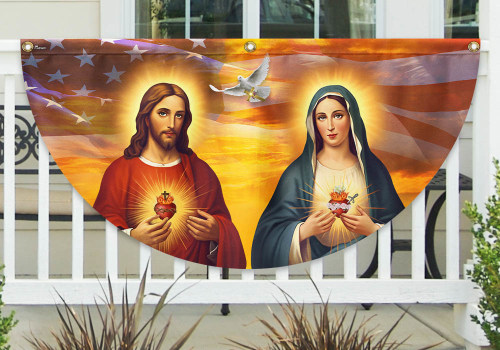
Flags have also played a crucial role in cultural identity.For instance, the American flag, with its stars and stripes, represents not only the United States but also ideals such as freedom and democracy. In many cultures, flags are displayed during significant events like national holidays or festivals, reinforcing a sense of community and belonging.
- National Identity: Flags often embody the history and values of a nation.
- Unity: They serve as a rallying point during times of conflict or celebration.
- Cultural Heritage: Many flags incorporate symbols that reflect local traditions and histories.
By incorporating these symbols into our living spaces, we connect with a broader cultural narrative that transcends time and geography.
Types of Flags Used in Home and Garden Décor
When it comes to flags as home and garden décor, there is a diverse array of options that can enhance the aesthetic appeal of your space. Each type of flag serves a unique purpose and can convey different messages or themes.National Flags
National flags are often displayed to show pride in one’s country. They can be used in various settings, from front yards to patios, and are particularly popular during national holidays or events. Displaying a national flag not only adds color but also fosters a sense of community and belonging.Decorative Garden Flags
Decorative garden flags are smaller, often whimsical flags designed specifically for outdoor use.These flags come in a multitude of designs, ranging from seasonal themes to artistic patterns. They are typically made from durable materials that withstand the elements, making them perfect for gardens or flower beds. Here are some popular types:
- Seasonal Flags: These flags celebrate various seasons or holidays, such as autumn leaves, winter snowflakes, or spring flowers.
- Themed Flags: These may include flags featuring animals, inspirational quotes, or local sports teams.
- Personalized Flags: Many homeowners opt for custom flags that display family names or monograms, adding a personal touch to their outdoor décor.
Home Flags
In addition to garden flags, home flags can be used to enhance the interior or exterior of your home. These larger flags can be hung on walls, porches, or balconies.They often reflect personal interests or values, such as:
- Pride Flags: Representing LGBTQ+ communities and promoting inclusivity.
- Sports Flags: Showcasing allegiance to favorite teams and creating a spirited atmosphere during game days.
- Cultural Flags: Celebrating heritage and traditions through the display of cultural symbols.
Symbolic Meanings Behind Different Flags
Flags are not just decorative items; they carry deep symbolic meanings that can enhance the aesthetic and emotional value of your home and garden décor. Understanding these meanings can help you choose flags that resonate with your personal values or cultural heritage.Colors and Their Significance
The colors of a flag often hold specific meanings:- Red: Typically symbolizes courage, strength, and valor. It can evoke feelings of passion and energy.
- Blue: Often represents peace, tranquility, and stability.
It can create a calming atmosphere in your garden.
- Green: Associated with nature, growth, and renewal. It’s a perfect choice for outdoor spaces to reflect harmony with the environment.
- Yellow: Symbolizes joy, optimism, and warmth. A yellow flag can brighten up any space and create a welcoming vibe.
- Black: Represents power, elegance, and sophistication. It can add a touch of modernity to your décor.
Cultural Interpretations
Different cultures attribute unique meanings to their flags:- The American Flag: Represents freedom, unity, and patriotism.
Displaying it in your home or garden can express national pride.
- The Union Jack: Symbolizes British heritage and history. It can be a great addition for those who appreciate British culture.
- The Rainbow Flag: A symbol of LGBTQ+ pride and diversity. Using this flag in your décor promotes inclusivity and acceptance.
Incorporating Flags into Home Décor
Incorporating flags as home and garden décor can add a unique touch to your living space while also conveying personal values and cultural heritage.Here are some practical tips to effectively integrate flags into your home décor.
- Choose the Right Flag: Consider the symbolism behind the flag you choose. National flags can evoke patriotism, while state or local flags may represent community pride. Decorative flags featuring seasonal themes or artistic designs can also enhance your home’s aesthetic.
- Display Options: Flags can be displayed in various ways. Hang a flag on a wall as a statement piece, or use it as a backdrop for a gallery wall.
For outdoor spaces, consider flag poles or decorative stands that allow you to showcase your flag prominently in the garden.
- Mix and Match: Don’t hesitate to combine flags with other decorative elements. Pairing a flag with plants, lanterns, or rustic furniture can create an inviting atmosphere. Just ensure that the colors and styles complement each other to maintain visual harmony.
- Seasonal Rotations: Change your flags according to the seasons or holidays. This not only keeps your décor fresh but also allows you to celebrate different occasions throughout the year.
For example, display a flag with autumn leaves in the fall and switch to a winter-themed flag during the colder months.
- Respectful Display: Always treat flags with respect, especially national flags. Ensure they are clean and well-maintained, and avoid using them in ways that could be considered disrespectful, such as on the ground or as tablecloths.
Using Flags in Garden Design
Incorporating flags as home and garden décor can transform your outdoor space into a vibrant and personalized haven. When used thoughtfully, flags can enhance the overall aesthetics of your garden while also conveying personal or cultural messages.Garden flag ideas
are abundant, allowing for creativity and expression. Here are some innovative ways to integrate flags into your garden design:- Seasonal Flags: Change your flags with the seasons to reflect the time of year.
For instance, use autumn-themed flags with pumpkins and leaves in the fall, and switch to floral designs in spring.
- Cultural Representation: Display flags that represent your heritage or favorite cultures. This not only adds color but also serves as a conversation starter among visitors.
- Garden Themes: Align your flags with specific garden themes. For a nautical garden, consider using maritime flags, while a whimsical fairy garden could feature colorful, playful designs.
- Flag Poles and Stands: Invest in decorative flag poles or stands that complement your garden's style. A rustic wooden pole can enhance a country-themed garden, while a sleek metal stand suits modern designs.
- Layering Flags: Create depth by layering smaller flags among plants or along pathways.
This technique draws the eye and adds visual interest without overwhelming the space.
Cultural Considerations When Displaying Flags
When incorporating flags as home and garden décor, it is essential to consider the cultural significance and etiquette associated with each flag.Flags are not merely decorative items; they often represent deep-rooted histories, values, and identities. Therefore, displaying them requires a level of respect and understanding.
Cultural Sensitivity
- Before displaying a flag, research its meaning and the culture it represents. Some flags may symbolize pride, while others may evoke painful histories.
- Be aware of the context in which you are displaying the flag. For instance, using a national flag in a festive manner may be acceptable in some cultures but considered disrespectful in others.
Flag Etiquette
- Always ensure that the flag is displayed correctly.
This includes proper orientation and positioning. For example, national flags should typically be flown at the highest point when displayed alongside other flags.
- Avoid using flags as mere decorative elements that may be subject to wear and tear. Flags should be treated with dignity; if they become damaged, they should be replaced or disposed of properly according to local customs.
Displaying Flags Respectfully
- Consider the placement of flags in your home or garden. They should be positioned in a way that honors their significance, such as at entrances or focal points.
- If you choose to display multiple flags, ensure that they are arranged in a manner that respects their hierarchy and cultural importance.
FAQs About Flags as Home and Garden Décor
When it comes to using flags as home and garden décor, many people have questions about their meanings and appropriate uses.Here are some frequently asked questions that can help clarify common misconceptions.
What do different flags symbolize?
Flags can represent a variety of meanings depending on their design, colors, and symbols. For instance:- National flags often symbolize patriotism and national pride.
- State flags can reflect local history, culture, and identity.
- Seasonal flags, such as those for holidays, can convey festive spirit and celebration.
- Garden flags may feature designs that symbolize nature, such as flowers or animals, enhancing the outdoor aesthetic.
Can I display flags from different countries together?
Yes, you can display flags from different countries together, but it’s important to do so respectfully. Ensure that:- The flags are of equal size to avoid implying superiority.
- You follow any specific guidelines related to flag etiquette for each country.
Are there any rules for displaying flags in my garden?
While there are no strict rules for displaying flags as home and garden décor, consider the following:- Position the flag so it is visible and not obstructed by plants or furniture.
- Avoid displaying tattered or faded flags; they should be in good condition to maintain respect.
- If using multiple flags, ensure they complement each other in design and color.
Conclusion: The Lasting Impact of Flags in Home and Garden Décor
In conclusion, the use of flags as home and garden décor transcends mere aesthetics; it embodies a rich tapestry of cultural significance and personal expression. Throughout this article, we have explored how flags can serve as powerful symbols that reflect individual values, heritage, and community pride.Understanding the symbolic meanings behind flags allows homeowners and garden enthusiasts to make informed choices that resonate with their identities.For instance, displaying a national flag can evoke feelings of patriotism and unity, while a garden flag featuring seasonal themes can enhance the beauty of outdoor spaces and create a welcoming atmosphere.
- Cultural Representation: Flags often represent specific cultures or regions, allowing individuals to celebrate their roots.
- Seasonal Decor: Flags can be changed with the seasons, providing a dynamic way to refresh your home or garden's look.
- Personal Expression: Customized flags can showcase personal interests or family values, making them unique to each household.
By thoughtfully incorporating flags into our living spaces, we not only beautify our environments but also honor the traditions and values that shape our lives.