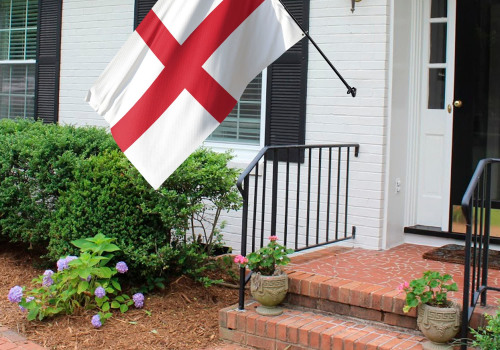
In recent years, flags as home and garden décor have surged in popularity, transforming ordinary spaces into vibrant expressions of personality and style. From colorful garden flags fluttering in the breeze to elegant wall hangings that showcase national pride or seasonal themes, these decorative elements offer a unique way to enhance the aesthetic appeal of any environment. Their versatility allows homeowners to easily switch designs according to seasons, holidays, or personal tastes, making them a favored choice for many. However, while the visual charm of flags is undeniable, it is essential to consider certain safety precautions for flags to ensure they serve their decorative purpose without posing risks. For instance, the materials used in flag production can vary significantly; some may be more susceptible to wear and tear from weather conditions, while others might present fire hazards if placed too close to heat sources.
Understanding these factors is crucial for maintaining both the beauty and safety of your home and garden. Moreover, when incorporating flags into your décor, it’s important to think about their placement. Flags should be securely mounted or displayed in a way that prevents them from becoming projectiles during strong winds or storms. By taking these decorative flags safety measures into account, you can enjoy the vibrant flair that flags bring to your space while ensuring a safe and welcoming environment for family and guests alike.
Understanding the Types of Flags Used in Décor
When considering flags as home and garden décor, it’s essential to understand the different types of flags available, as well as their materials and intended use. This knowledge not only enhances aesthetic appeal but also informs safety precautions.Types of Flags for Décor
- Garden Flags: Typically smaller in size, these flags are designed specifically for outdoor use.
They often feature vibrant designs and are made to withstand various weather conditions.
- Wall Flags: Larger flags that can be hung indoors or outdoors. These are often made from durable materials and can serve as statement pieces in a room or garden.
- Seasonal Flags: These flags change with the seasons or holidays, allowing for versatile décor options throughout the year. They can be made from lightweight fabrics or heavier materials depending on their intended use.
Decorative Flag Materials
The materials used in decorative flags play a significant role in their durability and safety:- Polyester: A common choice for outdoor flags due to its resistance to fading and tearing. It’s lightweight yet strong, making it ideal for windy conditions.
- Nylon: Known for its vibrant colors and ability to dry quickly, nylon flags are also suitable for outdoor use but may require more care in extreme weather.
- Cotton: Often used for indoor flags, cotton provides a classic look but is less durable outdoors.
It’s important to consider that cotton can absorb moisture, leading to potential mold growth if not properly maintained.
Indoor vs Outdoor Flags
Understanding the distinction between indoor and outdoor flags is crucial for safety:- Indoor Flags: Generally made from softer materials, these flags are not designed to withstand harsh weather. Placing them outdoors can lead to rapid deterioration.
- Outdoor Flags: Built to endure the elements, these flags should be securely mounted to prevent them from becoming projectiles during storms or high winds.
Safety Precautions for Indoor Flag Displays
When incorporating flags as home and garden décor indoors, it is essential to consider various safety precautions to prevent potential hazards. One of the primary concerns is the risk of fire, especially if flags are displayed near heat sources or open flames.Fire Hazards with Flags
Flags made from synthetic materials can be particularly flammable. To minimize fire risks:- Avoid placing flags near heat sources, such as radiators, fireplaces, or candles.
- Choose flame-resistant materials when selecting flags for indoor use.
- Regularly inspect flags for any signs of wear or damage that could increase flammability.
Placement Considerations
The placement of your flag display is crucial for both aesthetics and safety.Here are some tips:
- Mount flags securely to prevent them from falling or being knocked over, which could lead to accidents.
- Keep flags out of high-traffic areas where they might be accidentally brushed against or pulled down.
- Consider the height at which you hang flags; they should be visible but not obstructive.
Maintenance Tips
Proper maintenance of your indoor flag displays can enhance their longevity and safety:- Regularly clean flags according to the manufacturer's instructions to prevent dust accumulation, which can be a fire hazard.
- Store flags properly when not in use, ensuring they are kept in a dry place away from moisture that could lead to mold growth.
- Replace any damaged flags immediately to avoid potential hazards associated with frayed edges or weakened materials.
Safety Precautions for Outdoor Flag Displays
When incorporating flags as home and garden décor, particularly in outdoor settings, it is essential to consider various safety precautions to ensure both the longevity of the flags and the safety of your surroundings.Weather Considerations for Flags
Outdoor flags are constantly exposed to the elements, which can lead to wear and tear. To mitigate this, choose flags made from weather-resistant materials such as nylon or polyester. These fabrics are designed to withstand rain, wind, and UV rays, ensuring that your flag remains vibrant and intact.Securing Flags Against Wind Damage
Strong winds can pose a significant risk to outdoor flags. To prevent damage or accidents:- Use a sturdy flagpole: Ensure that your flagpole is made from durable materials and is securely anchored in the ground.
- Consider flag size: Choose a flag size appropriate for your location; larger flags may require more robust support.
- Take down during storms: If severe weather is forecasted, it’s wise to remove your flag to prevent tearing or pole damage.
Ensuring Safety for Passersby
Flags should be displayed in a manner that does not obstruct pathways or pose hazards to pedestrians.Here are some tips:
- Placement: Position flags away from high-traffic areas where they could be accidentally knocked over or cause injury.
- Visibility: Ensure that the flag is visible and does not blend into the background, especially at night. Consider using lighting to enhance visibility.
- Regular maintenance: Inspect flags regularly for fraying or damage. A damaged flag can become a safety hazard if it detaches from its pole.
Legal Considerations When Displaying Flags
When incorporating flags as home and garden décor, it is essential to be aware of the legal considerations that may apply. Different states and municipalities have specific laws regarding the display of flags, which can affect how you showcase your decorative pieces.Flag Display Laws
Many localities have ordinances that dictate where and how flags can be displayed.For instance, some areas may restrict flag displays in residential neighborhoods to maintain aesthetic uniformity. It is advisable to check with your local zoning office or homeowners' association (HOA) to understand any regulations that might apply.
Legal Issues with Flags
In addition to local laws, there are also federal guidelines regarding the display of the American flag. The United States Flag Code provides specific instructions on how the flag should be treated, including its placement, lighting, and condition. Violating these guidelines can lead to legal issues or community backlash.Flag Etiquette
Proper flag etiquette is not only a matter of respect but also a legal consideration.For example, displaying a flag at night requires it to be illuminated, and flags should never touch the ground. Additionally, if a flag becomes worn or tattered, it should be retired in a respectful manner, typically through burning in a dignified ceremony.By understanding these legal aspects and adhering to proper etiquette, you can enjoy displaying flags as home and garden décor while respecting both the law and the symbolism behind the flags themselves.
Common FAQs About Flag Safety in Home and Garden Décor
When it comes to using flags as home and garden décor, safety is a common concern among homeowners. Here are some frequently asked questions that address these concerns:What are the potential hazards of displaying flags outdoors?
Displaying flags outdoors can pose several risks, including:- Weather Damage: Flags can be damaged by strong winds, rain, or snow, leading to fraying or tearing.
- Fire Hazards: If flags are placed near fire pits or grills, they can catch fire easily.
- Pest Attraction: Certain materials used in flags may attract insects or rodents.
How can I ensure my flag is displayed safely?
To ensure safe display of your flags, consider the following tips:- Choose Durable Materials: Opt for weather-resistant fabrics like nylon or polyester that can withstand outdoor conditions.
- Secure Installation: Use proper mounting hardware to secure your flagpole and prevent it from falling over.
- Avoid Overhanging Branches: Ensure that your flag is not placed under low-hanging branches that could cause damage.
Are there any specific guidelines for displaying national flags?
If you are displaying a national flag, it’s important to follow specific guidelines to show respect and ensure safety:- Height Considerations: National flags should be flown higher than other flags when displayed together.
- Time of Display: It’s customary to display national flags only during daylight unless illuminated at night.
- Condition of the Flag: Always ensure the flag is in good condition; replace it if it becomes tattered or faded.
Conclusion: Key Takeaways on Flag Safety in Décor
In conclusion, when incorporating flags as home and garden décor, it is essential to prioritize safety to ensure a harmonious and secure environment. Here are the key takeaways to keep in mind:- Material Matters: Choose flags made from durable, weather-resistant materials that can withstand outdoor conditions.
This not only prolongs the life of your décor but also minimizes the risk of hazards associated with fraying or tearing.
- Proper Installation: Ensure that flags are securely mounted or displayed. Use appropriate hardware for outdoor flags to prevent them from becoming projectiles in high winds, which could pose a danger to people and property.
- Fire Safety: If using flags indoors, be mindful of their placement near heat sources or open flames. Opt for flame-retardant materials when possible to reduce fire risks.
- Respect Cultural Significance: Be aware of the cultural and historical significance of certain flags. Displaying them respectfully can prevent misunderstandings and promote a positive atmosphere in your home or garden.
- Regular Maintenance: Regularly inspect your flags for signs of wear and tear.
Promptly replace any damaged flags to maintain both aesthetic appeal and safety.