Decorative flags are a simple yet effective way to enhance the appearance of outdoor spaces while expressing personal style and creativity. Available in various colors, patterns, materials, and sizes, these accessories can complement different garden themes and create welcoming environments. Whether decorating a traditional flower garden, modern landscape, or rustic backyard, choosing appropriate flags helps establish a cohesive visual experience. Garden flags can also highlight seasonal celebrations, special occasions, or personal interests without requiring major landscaping changes. Understanding how decorative flags interact with plants, furniture, and architectural features is essential for achieving an attractive and balanced outdoor design.
Selecting Flags for Traditional and Cottage Gardens
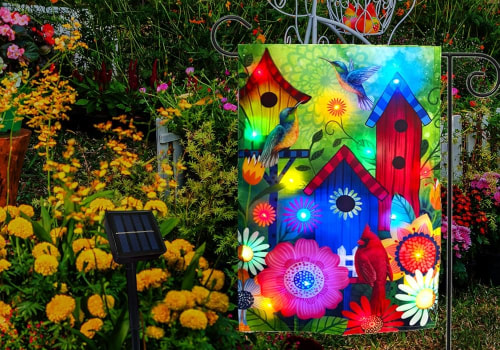
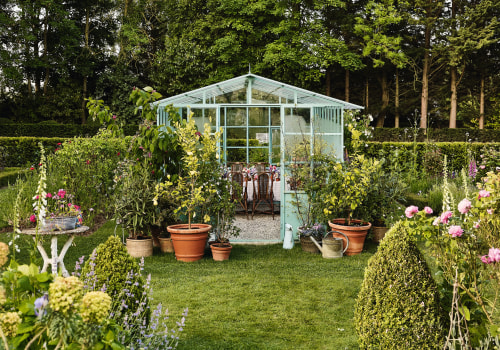
Traditional and cottage gardens often feature colorful flowers, winding pathways, vintage decorations, and natural landscaping elements. Decorative flags with floral patterns, butterflies, birds, or botanical illustrations work particularly well in these settings. Soft pastel shades, earthy colors, and classic designs complement the relaxed atmosphere commonly associated with cottage gardens. Homeowners can position flags near flower beds, garden entrances, or decorative pathways to create charming focal points. Choosing durable fabrics with weather-resistant printing helps preserve their appearance despite exposure to sunlight, rain, and changing temperatures. Flags should enhance the natural beauty of the garden without competing with its existing plants and decorative features.
Choosing Minimalist Flags for Modern Gardens
Modern gardens typically emphasize clean lines, structured landscaping, neutral colors, and contemporary materials. Decorative flags featuring geometric patterns, abstract artwork, or simple monochromatic designs can complement these characteristics. Black, white, gray, and muted green flags often blend seamlessly with modern outdoor furniture and architectural details. Rather than displaying numerous decorations, homeowners should select a few carefully positioned flags to maintain a sophisticated appearance. Minimalist flag designs can provide subtle visual interest while preserving the uncluttered atmosphere that defines contemporary garden spaces.
Matching Decorative Flags With Festive Outdoor Celebrations
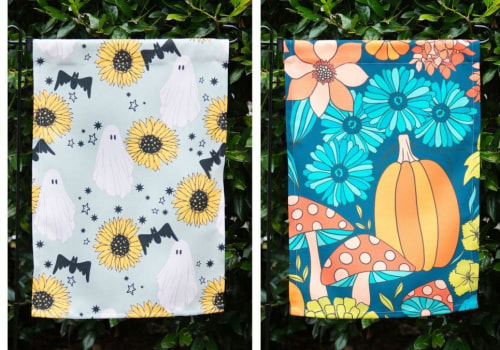
Gardens frequently serve as gathering spaces for birthdays, family reunions, holiday parties, and neighborhood celebrations. Decorative flags can reinforce event themes through coordinated colors, playful illustrations, and personalized messages. For example, a children's birthday party featuring inflatable entertainment from Hop A Lot Moonwalks could incorporate cheerful garden flags that complement the celebration's vibrant decorations. Coordinating flags with table coverings, balloons, and outdoor lighting creates a consistent visual theme. Selecting reusable designs also allows homeowners to incorporate these decorations into future celebrations, making them practical additions to outdoor entertainment spaces.
Considering Materials, Placement, and Weather Resistance
The durability and placement of decorative flags are equally important when selecting suitable designs. Polyester and nylon are popular materials because they are lightweight, relatively durable, and suitable for outdoor conditions. Double-sided flags offer improved visibility from multiple directions, while reinforced stitching helps prevent premature wear. Homeowners should consider wind exposure, sunlight intensity, and moisture levels before selecting installation locations. Properly secured flag stands and appropriately sized displays help maintain stability while protecting nearby plants and garden structures.
Creating a Harmonious and Personalized Outdoor Space
Choosing decorative flags involves balancing personal preferences with the overall character of the garden. Colors, patterns, materials, and placement should complement existing landscaping features rather than overpower them. Seasonal adjustments can keep outdoor spaces visually interesting throughout the year. By selecting decorations that reflect the garden's unique style, homeowners can create inviting environments that celebrate nature, creativity, and individual expression while maintaining a welcoming outdoor atmosphere.